A full day on a dive boat is a full day in the Mediterranean sun: the deck on the way out, the surface interval, lunch, the ride home. Sun protection is not optional. But here is the uncomfortable part — a share of whatever you rub on your skin ends up in the water you dive in. The good news is that protecting your skin and protecting the sea are not competing goals. With a little knowledge and better timing, you can do both well.
What is the problem with ordinary sunscreen?
Many conventional sunscreens rely on chemical UV filters, and two of them — oxybenzone (benzophenone-3) and octinoxate — have been linked in laboratory studies to harm in corals and other marine organisms, which is why destinations such as Hawaii and Palau have restricted them. The science on exact real-world concentrations is still evolving, but the direction of the evidence was clear enough for lawmakers to act, and it is clear enough for divers to choose differently.
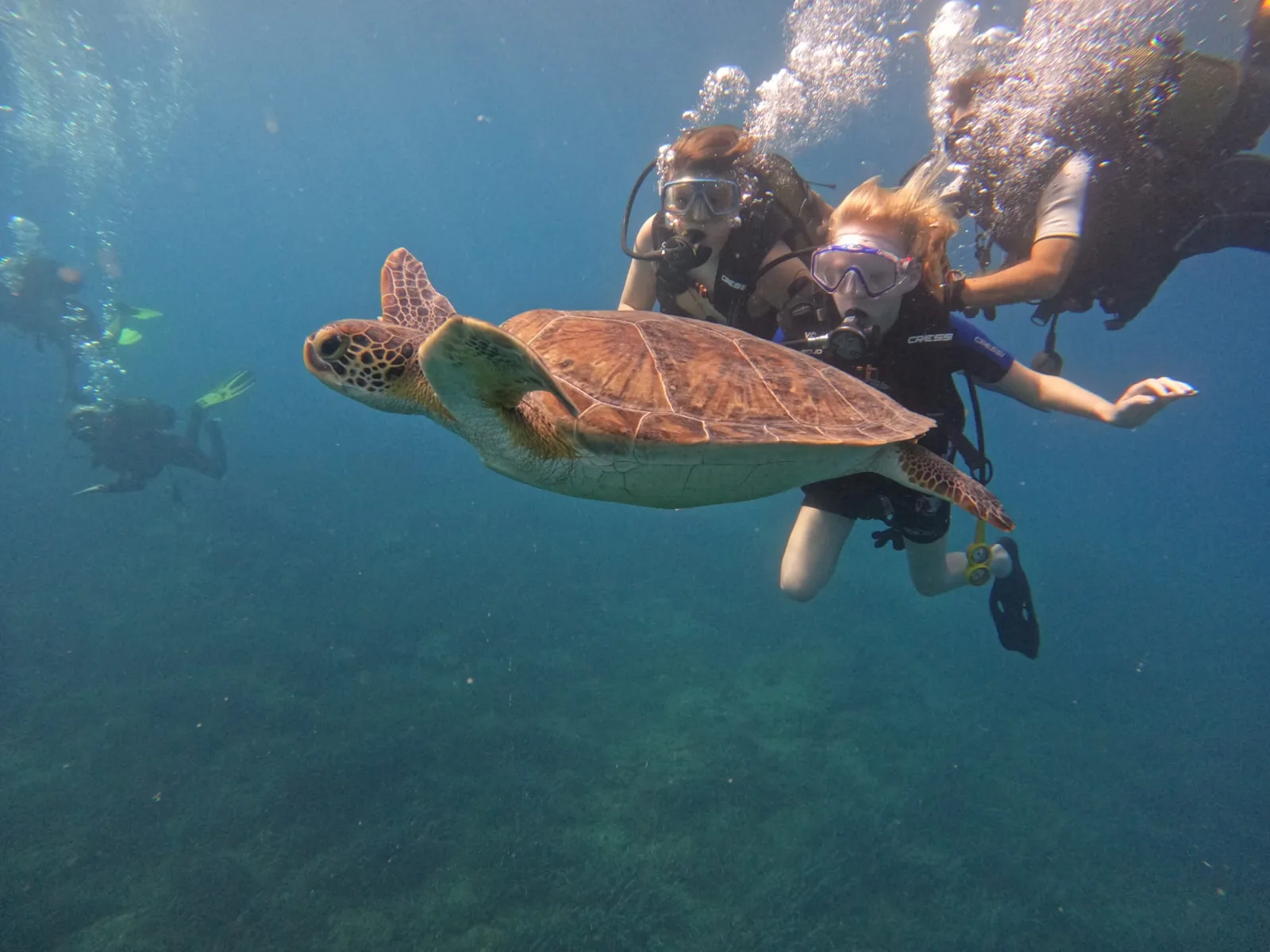
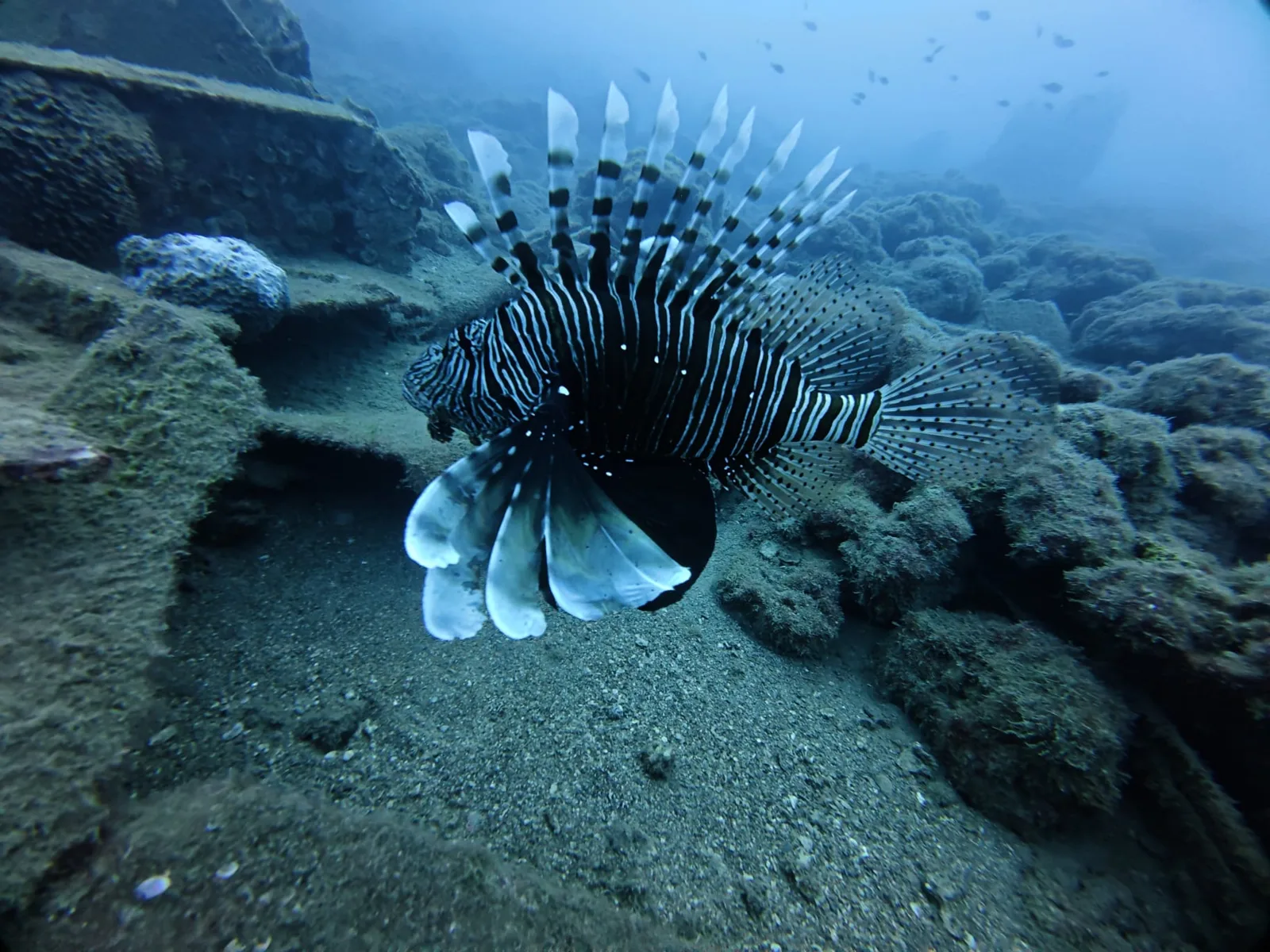
The Mediterranean has no tropical coral reefs, but it is far from empty: rocky reefs, sponges, octopus dens and the great Posidonia seagrass meadows that oxygenate this sea and shelter its juvenile fish. It is also a semi-enclosed sea that exchanges its water slowly, so what goes in tends to stay around. Every swimmer's sunscreen slick matters a little; thousands of them, all summer, matter a lot. If you want to know what actually lives beneath our boats, our marine life guide is a good place to start.
Choosing a reef-safer sunscreen
The phrase reef safe on a label is marketing, not a regulated standard — so read the ingredients list instead:
- Prefer mineral filters — zinc oxide or titanium dioxide, ideally labelled non-nano. They sit on the skin and physically block UV rather than soaking in.
- Avoid oxybenzone and octinoxate — the two ingredients most consistently flagged by research and regulation.
- Choose water-resistant cream, skip the spray — with aerosols, a good part of each application lands on the deck and washes straight into the sea, and water-resistant formulas shed less in the water.
- Less is more where covered — you do not need cream where fabric already protects you, which brings us to the best trick of all.
The rash guard: the most reef-safe sunscreen ever made
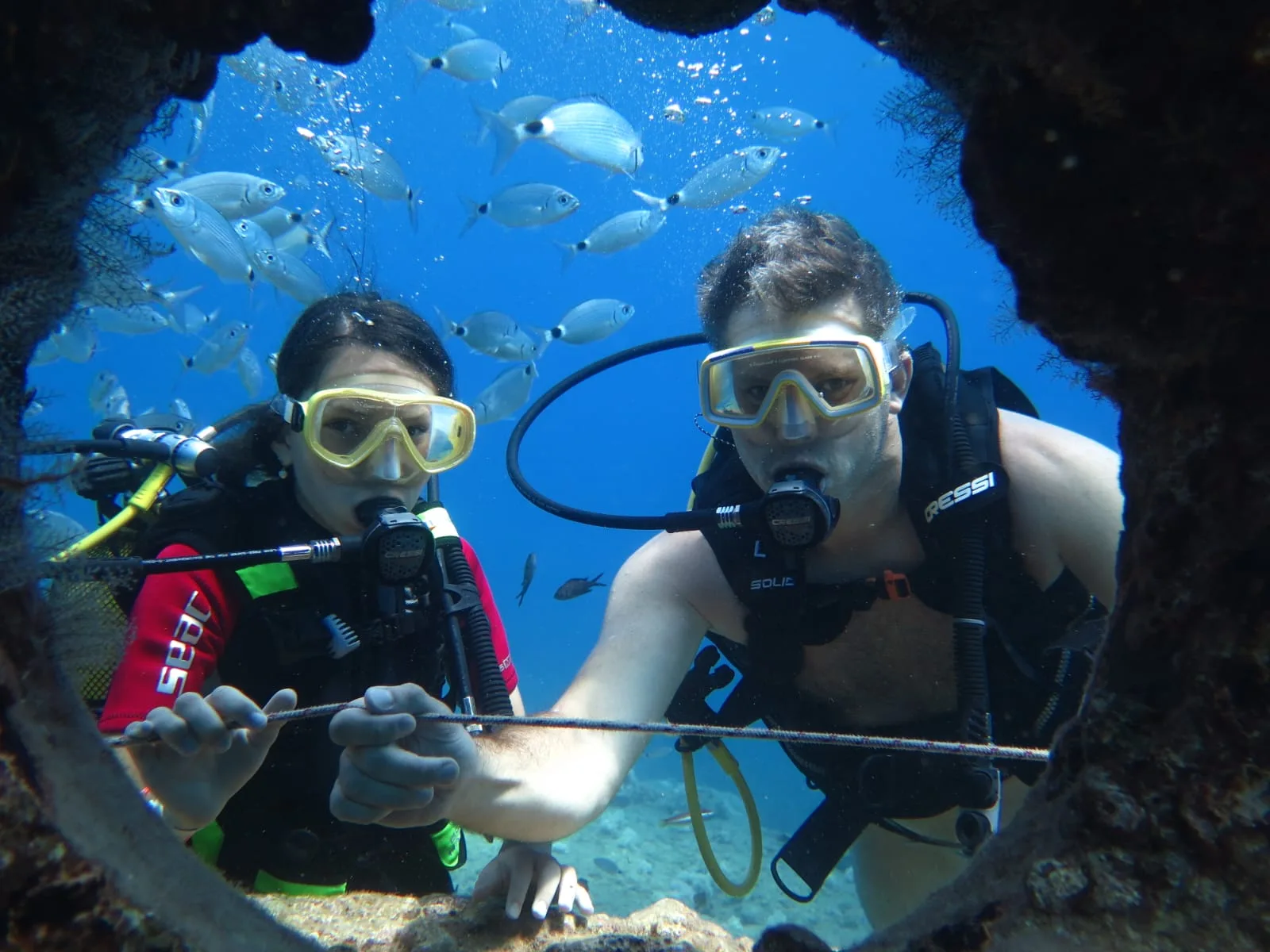
The single most effective move is to replace cream with cloth. A long-sleeved rash guard or any UPF-rated shirt protects your shoulders and back — the parts that burn on a boat — all day, with zero chemicals in the water and no reapplying after swimming. Pair it with a hat and sunglasses for the deck, and suddenly you only need sunscreen on your face, neck and hands. During the dives themselves you are covered anyway: a wetsuit is included in all our boat dive trips, along with the rest of the equipment.
Timing: apply before the boat, not before the dive
Sunscreen needs time to bind to the skin — most manufacturers say around 15 to 20 minutes. Cream applied seconds before you jump in does not protect you; it simply washes off into the sea. The rhythm that works on a dive day is simple: apply at your hotel before the morning pickup, let it settle during the transfer, and reapply at lunch on board — after the first dive, not right before the second. Your skin gets full protection, and the sea gets as little of it as possible.
Small habits, shared sea
Sunscreen is one part of a bigger habit set that keeps the underwater world worth visiting: control your buoyancy, keep your fins off the bottom, touch nothing, take nothing. We spend every day on this water — diving from boats is our life as well as our livelihood — and the difference between a careful group of divers and a careless one is visible from the surface.
Ready for a sun-smart dive day?
Pack the rash guard, check your sunscreen's ingredient list tonight, and come diving. Browse our daily dive trips from Side, Kumköy, Kemer, Antalya and Alanya — reserve free online, pay on the day — or message us if you are unsure what to bring. The Mediterranean will thank you in its own quiet way: by still being beautiful next summer.