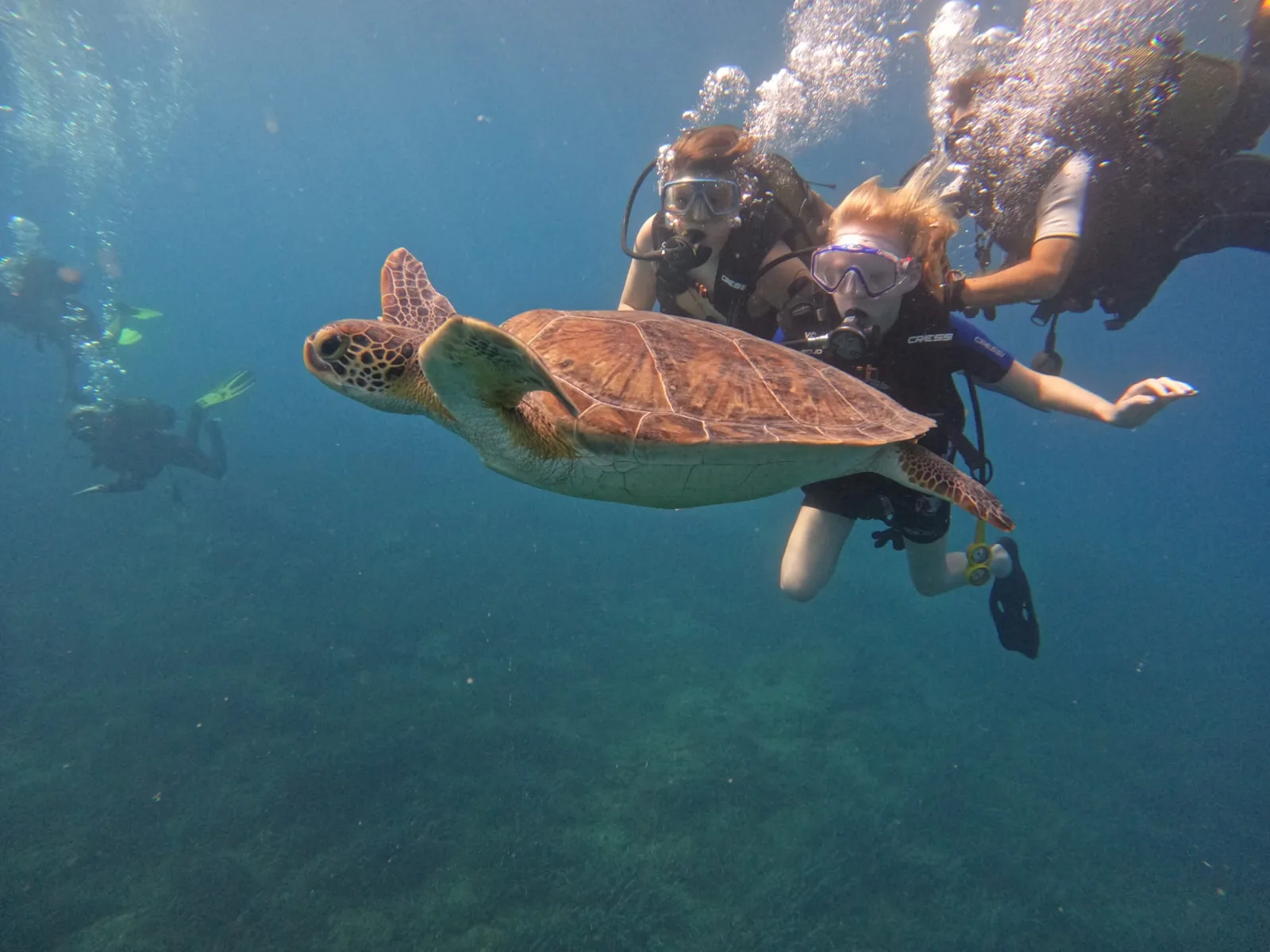
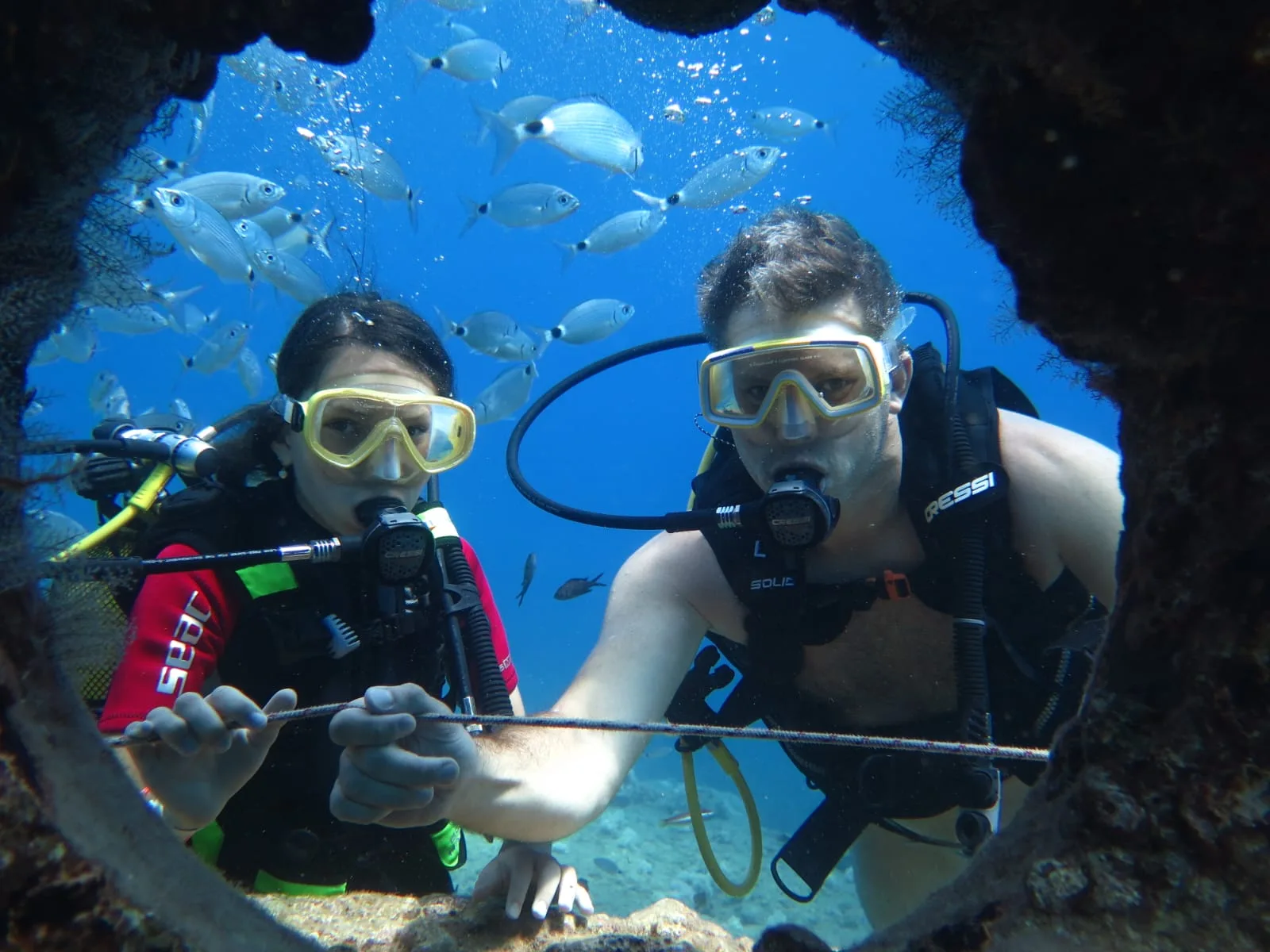
"How far can you actually see underwater?" is a fair question — and one where holiday marketing loves to exaggerate. So here is the straight version. Underwater visibility along the Side–Antalya coast is typically in the 10–20 metre range, often more on the best days, and it is generally at its best from late spring to early summer and again in autumn.
Honest ranges, not promises
These are general Mediterranean figures for this coast, not a forecast for your specific date — the sea does not read brochures, and nobody can promise a number for next Tuesday:
- Typical day: roughly 10–20 metres — considerably more than most first-time divers expect.
- Great days: visibility can stretch well beyond 20 metres, most often in the clearer months.
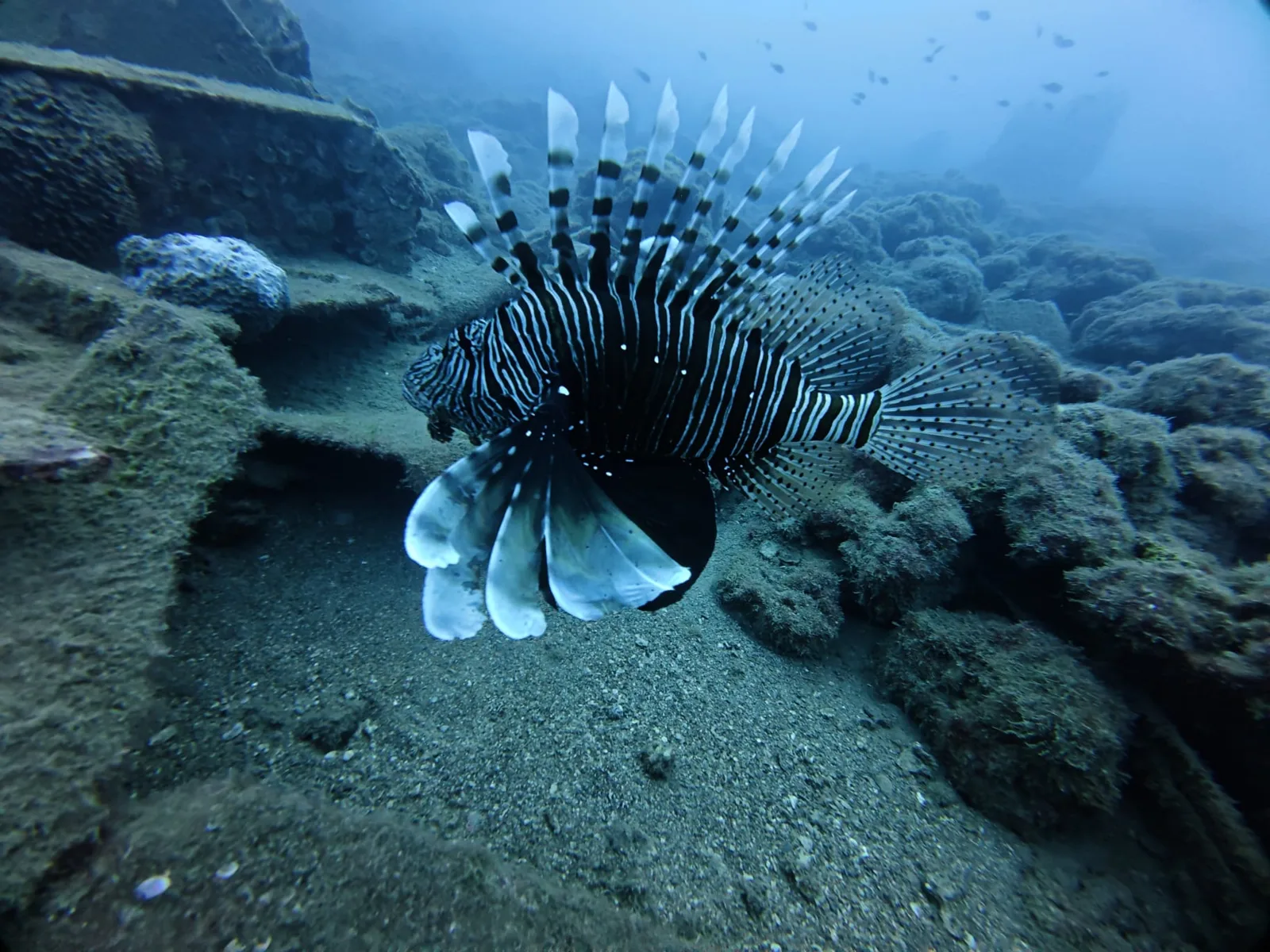
- Off days: after strong wind, or during a plankton bloom, it can drop below 10 metres. These days are rarer in the settled summer season.
Season by season
Late spring to early summer
Often the sweet spot of the year. The water is warming, the weather is settling, and the plankton and boat traffic of high summer have not peaked yet. Visibility off Side is generally at its best in this window.
High summer
The sea reaches its warmest — around 28–29°C by late summer — and the diving is easy and comfortable. Warm water carries more plankton and the coast is at its busiest, so visibility is usually good rather than epic. Mornings tend to be clearer than afternoons, because the wind that stirs the shallows typically builds later in the day.
Autumn
The second peak, and many regulars' favourite. The sea stays warm long after the crowds thin out, the weather settles again, and visibility is often at its most consistent from September into November.
Winter
The water cools to around 17°C and is often strikingly clear. The honest caveat: many operators wind down over winter, so rather than trusting any online calendar, message us for current availability before you plan a winter dive.
What actually moves the numbers
- Wind and swell. Waves stir sand in the shallows; a windy afternoon can halve what a calm morning offered. This is one more reason our trips start with a morning pickup.
- Plankton. Warming water feeds blooms that soften the view — the price of a sea warm enough to dive in comfort all summer.
- Rain and runoff. Rare in the Antalya summer, more relevant in the shoulder seasons.
- The bottom itself. Rocky sites hold their clarity better than sandy ones. Our Kemer trip works the clearest-water cluster on our route.
- Other fins. A careless group kicking sand ruins visibility faster than any weather. Small groups — three to four divers per instructor on the museum trip — genuinely matter.
What this means at first-dive depths
Remember where you will actually be: 5–8 metres on the morning dive, about 13 metres in the afternoon. The roughly 110 sculptures of the Side Underwater Museum rest at around 12 metres — so even a modest 10-metre day gives you clear sightlines across the scene in front of you. You are not trying to read a wreck's name across 40 metres of blue; you are floating over statues within touching distance. If you are curious how those depths feel, read how deep a first dive really goes.
Quick facts you can quote
- Typical underwater visibility off Side is in the 10–20 metre band, with better days beyond that.
- Visibility along the Antalya coast is generally best in late spring–early summer and in autumn.
- The sea off Antalya runs from about 17°C in winter to 28–29°C in late summer; a wetsuit is included on every trip, year round.
See it with your own mask
Whatever the season, the first look under the Mediterranean surprises almost everyone — usually in the right direction. Reserve for free, pay on the day, cancel free up to 24 hours before. Pick your day among the boat trips — and if you want the honest visibility outlook for your travel dates, just ask.