The Short Answer
An entry-level certification lets you dive with a buddy or a guide within recreational limits, hire equipment, and book boat trips anywhere in the world without an instructor holding on to you. On the Antalya coast that means joining the standard certified profile of around 30 metres. An advanced or deep qualification extends the range further: the deep sites here run to 60 metres for suitably qualified divers, including the Paris II wreck at 21–31 m and the DO-28 aircraft at 19.5–23.3 m.
Your card does not expire — but your currency does. If it has been a long time, a refresher comes first. That is the whole picture; the detail follows.
What the Entry-Level Card Opens Up
The practical change is independence. As a certified diver you:
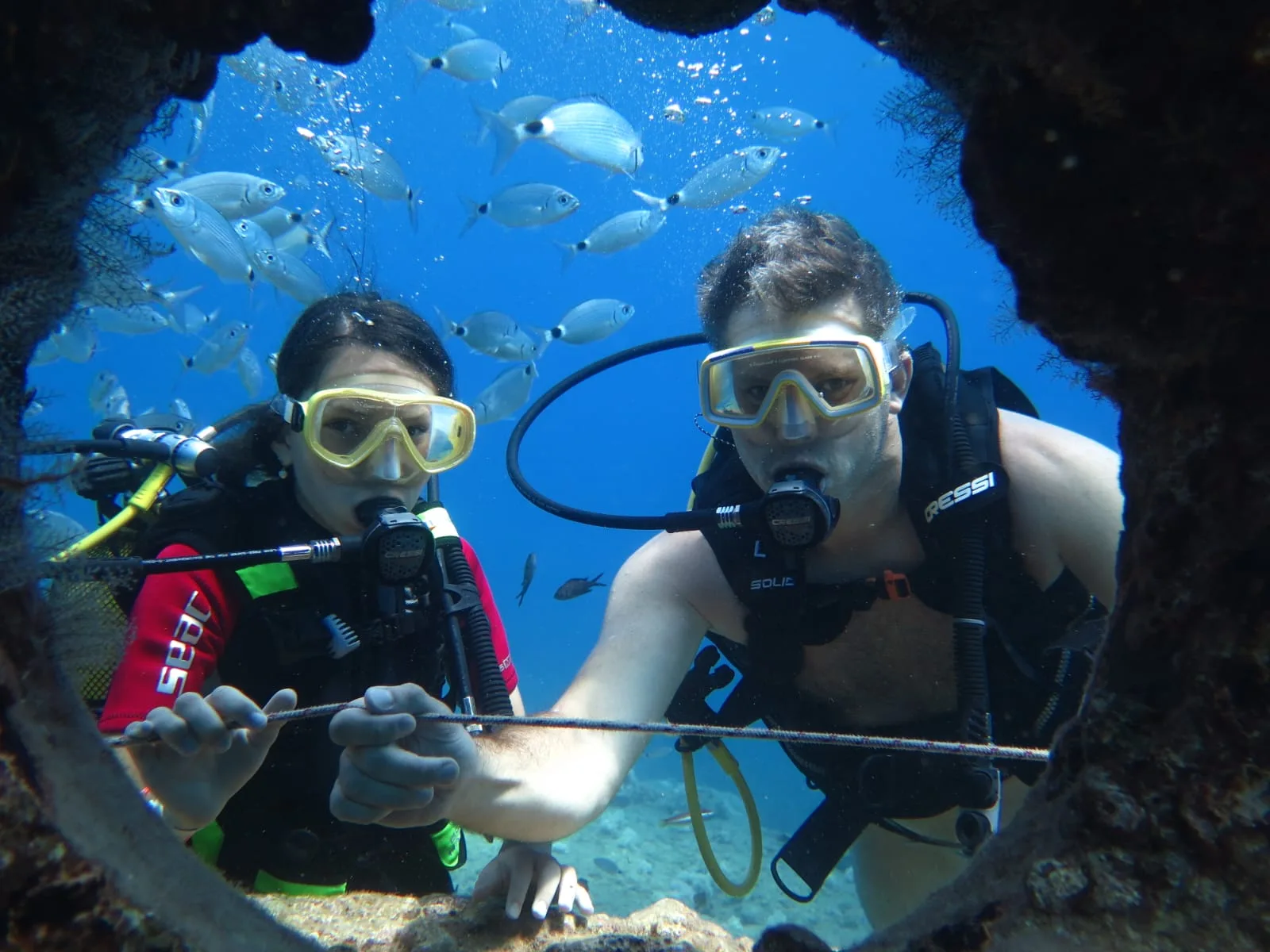
- Dive with a buddy rather than physically accompanied by an instructor, on a guided dive with a group of your own level.
- Get equipment without an argument. Dive centres rent to certified divers as a matter of course; everything is still included on our trips.
- Join two-dive boat days worldwide — the format most of the world's diving actually uses, and the one all five of our day trips follow.
- Reach around 30 metres here on standard certified dives, which is where the reefs, walls and larger structures on this coast become interesting.
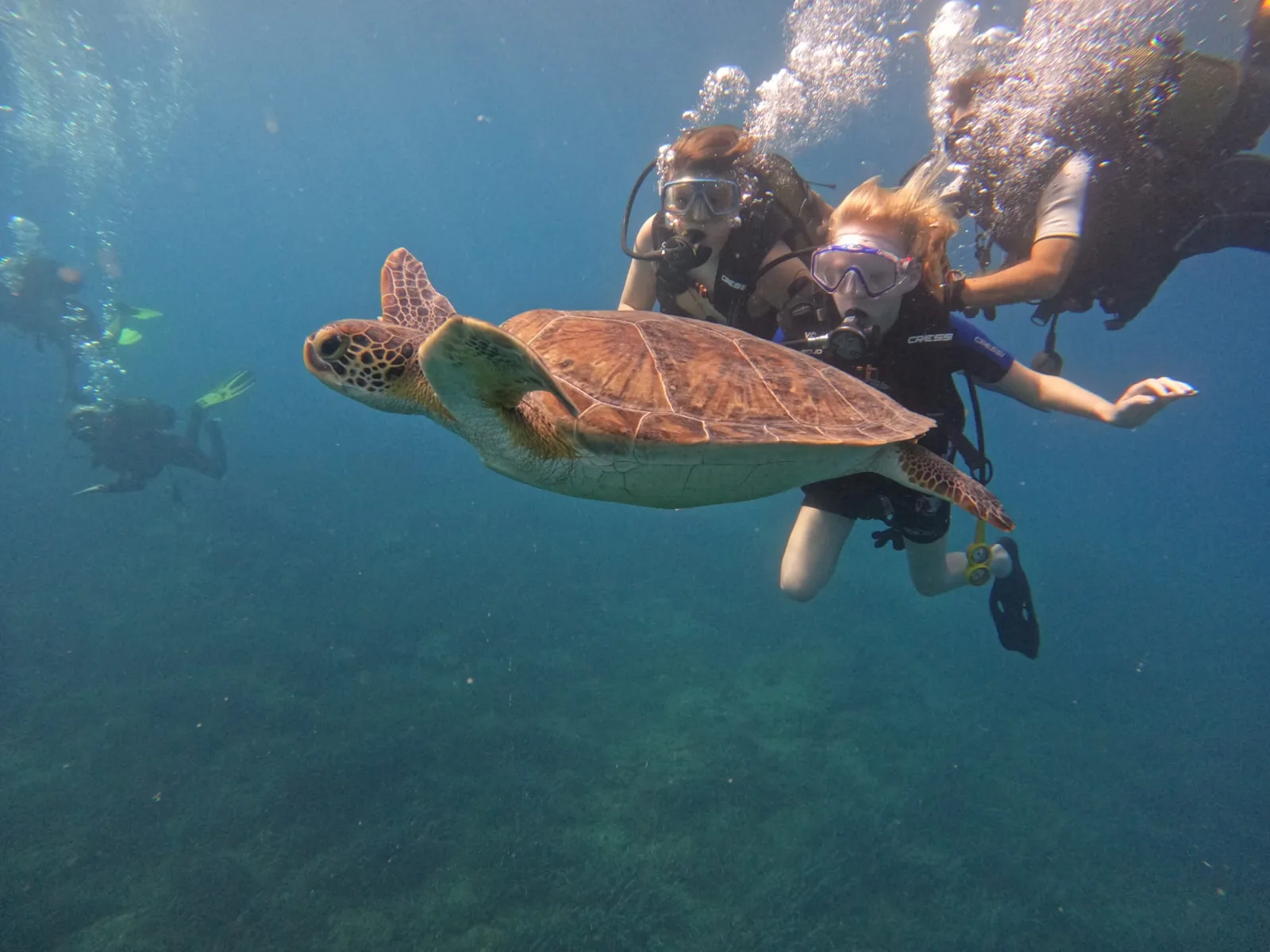
Compare that with a discovery dive, where a beginner stays at 5–8 metres on the morning dive and goes to about 13 metres maximum on the second, always with an instructor within arm's reach. The gap between 13 and 30 metres is exactly what the course buys you.
What Advanced and Deep Qualifications Add
Beyond the standard certified range sit the sites people plan a trip around. Wrecks like the Paris II sit between 21 and 31 metres — reachable on a certified dive at the shallower end, and properly explored with more experience. The DO-28 aircraft rests at 19.5–23.3 metres. The deepest profiles on this coast reach 60 metres and are strictly for divers who hold the appropriate deep qualification and have the logged experience to match.
Two things worth saying plainly. First, these are never discovery dives, and no amount of enthusiasm changes that. Second, depth is not the point of diving; it is one dimension of it. A 12-metre swim through the Side Underwater Museum, with around 110 sculptures and fish you can hand-feed, beats a rushed deep dive for most people, most of the time. If you want to see what suits your level, our sites-by-level guide lays it out.
What Your Certification Does Not Let You Do
Just as important as the permissions:
- It does not authorise depths beyond your qualification — a certified card is not an advanced or deep card, and any honest operator will check.
- It does not replace fitness to dive. Everyone completes the standard diving medical questionnaire, and anything flagged needs a doctor's sign-off. Nobody dives while pregnant or with severe asthma, or heart or respiratory conditions.
- It does not suspend the flying rule. No flights within 24 hours after diving, however many dives you have logged. Here is why.
- It does not make you current. Which brings us to the logbook.
Your Logbook Is the Other Half of Your Card
The card says what you are qualified for; the logbook says what you have actually been doing. A dive centre reading your logbook sees depth, date and frequency — and plans your dive accordingly. We sign logbooks for certified divers on every trip, so your Antalya dives travel with you.
If your last dive was several years ago, say so. It is not a confession, it is useful information. A refresher — a shallower first dive with a closer eye on you, skills revisited before the deeper profile — costs nothing but a little pride and makes the second dive of the day much better. It is a normal part of the routine on our certified diver trips, not a special request.
Diving Your Certification on This Coast
All five of our trips are full days with two guided dives, all standard equipment (tank, regulator, BCD, wetsuit, mask, fins, weights), free two-way hotel transfer, fresh lunch on board, passenger and diving insurance, and a full safety briefing. Kemer (€43, about 8 hours) offers the clearest water on this coast with PADI-certified instructors, reef fish and octopus often spotted; Antalya (€50, about 8 hours) adds reefs, caves and shoals; Alanya (€43) works caves and rocky reefs in the Cleopatra Beach waters; Side Underwater Museum is €45 for about 7 hours. Sightings always vary with conditions — we will not promise you an octopus.
Reserving is free and you pay on the day, in cash or by card, with free cancellation up to 24 hours before. Hotel pickup is in the morning and the exact time is confirmed the evening before. Tell us your certification level and roughly when you last dived when you book — message us — and we will put you on the right profile rather than the flashiest one.