Every diver remembers their first shape. You drift down through clean blue water, the seabed slowly comes into focus — and then a silhouette appears that does not belong: a sculpted figure standing motionless on the bottom, wearing a thin coat of marine growth and a halo of curious fish. That moment of gentle strangeness is exactly why underwater museums exist, and why the sunken sculpture park off Side has become the signature dive of our coast.
What is an underwater museum?
The idea is disarmingly simple: place works of art on the seabed and let the sea finish them. Sunken sculpture parks now exist around the world, from the Caribbean to the Mediterranean, and they all share the same double purpose. For people, they turn a dive into something between a gallery visit and a lucid dream. For the sea, every sculpture is an artificial reef — a hard structure on an otherwise open bottom where life can settle, hide and multiply.
That second purpose matters more than most visitors realise. Natural rocky reefs are limited, and every new hard surface placed responsibly on sand becomes fresh real estate for marine life. Artificial reefs also draw divers away from fragile natural sites, spreading our impact across the coast more kindly.
How art becomes habitat
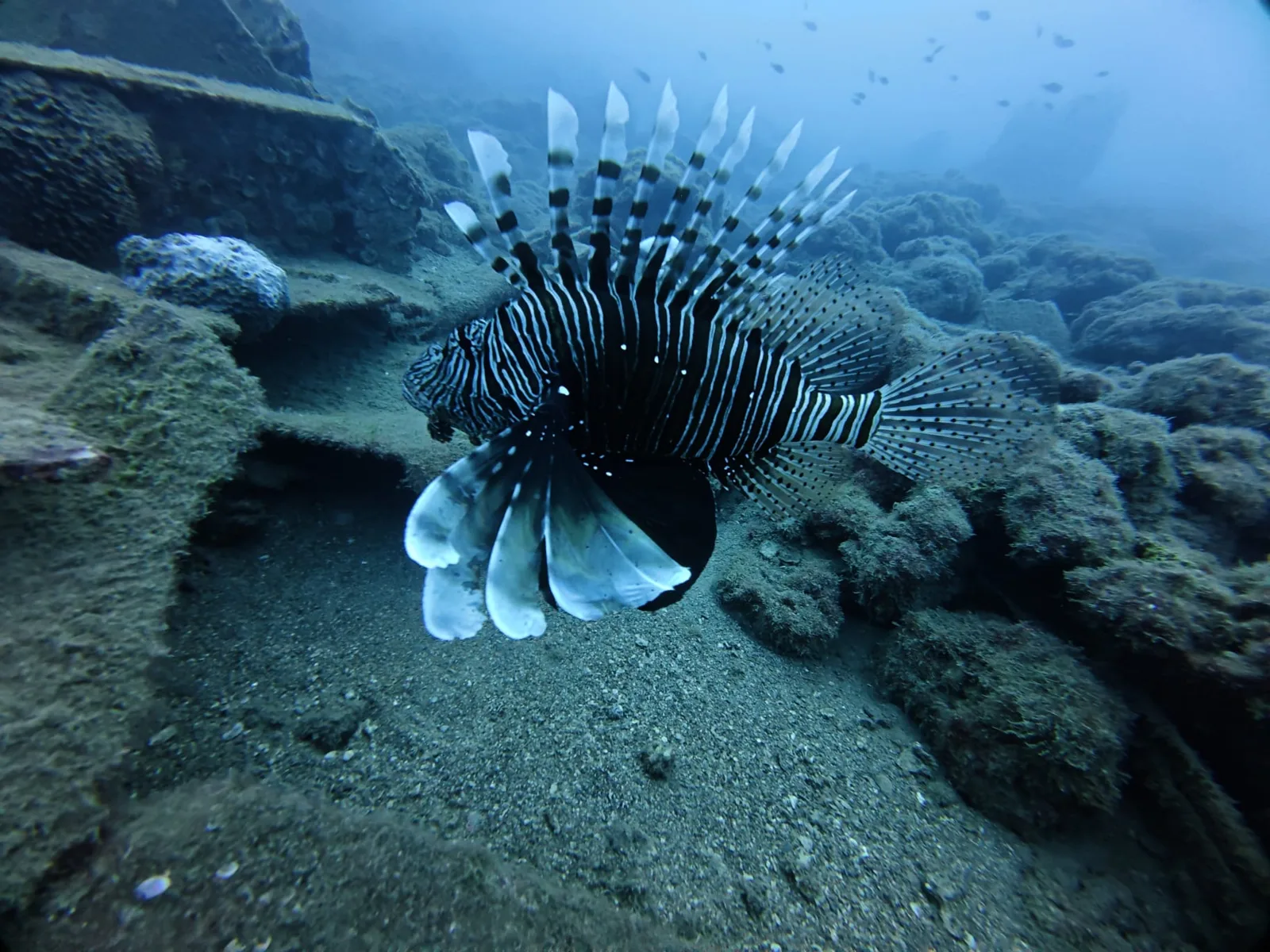
The transformation starts almost immediately. Within days, a submerged surface acquires a thin biofilm of bacteria and micro-algae — invisible to us, irresistible to grazers. Algae follow, then encrusting life such as sponges and barnacle-like settlers, each layer softening the sculpture's edges and changing its colour. Small fish move into the sheltered angles; schools begin to hover in the current shadow; hunters arrive because prey is concentrated in one place.
This is why no two visits to a sunken sculpture park are ever the same. The sea redecorates constantly. A figure you photograph this year will look different next year — a little greener, a little softer, a little more alive. Divers do not just view this artwork; they watch it being finished, decade by decade.
What diving it actually feels like
Statues underwater do something strange to the brain. On land you walk around a sculpture; here you fly over it, hover beside it, meet it at eye level. Shapes appear out of the blue gradually — first a shadow, then an outline, then detail — which gives the dive a slow, cinematic quality that photographs only half capture.
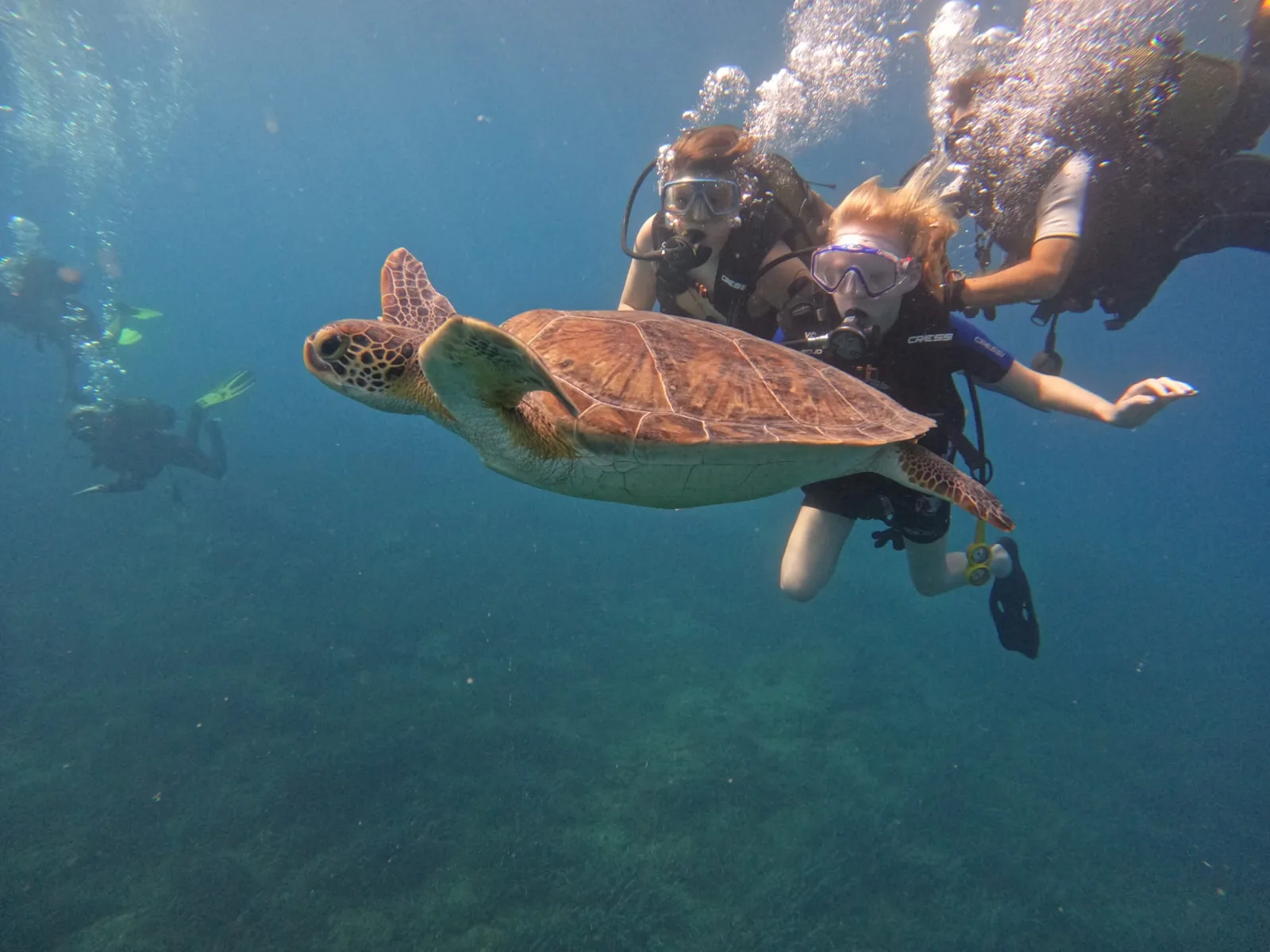
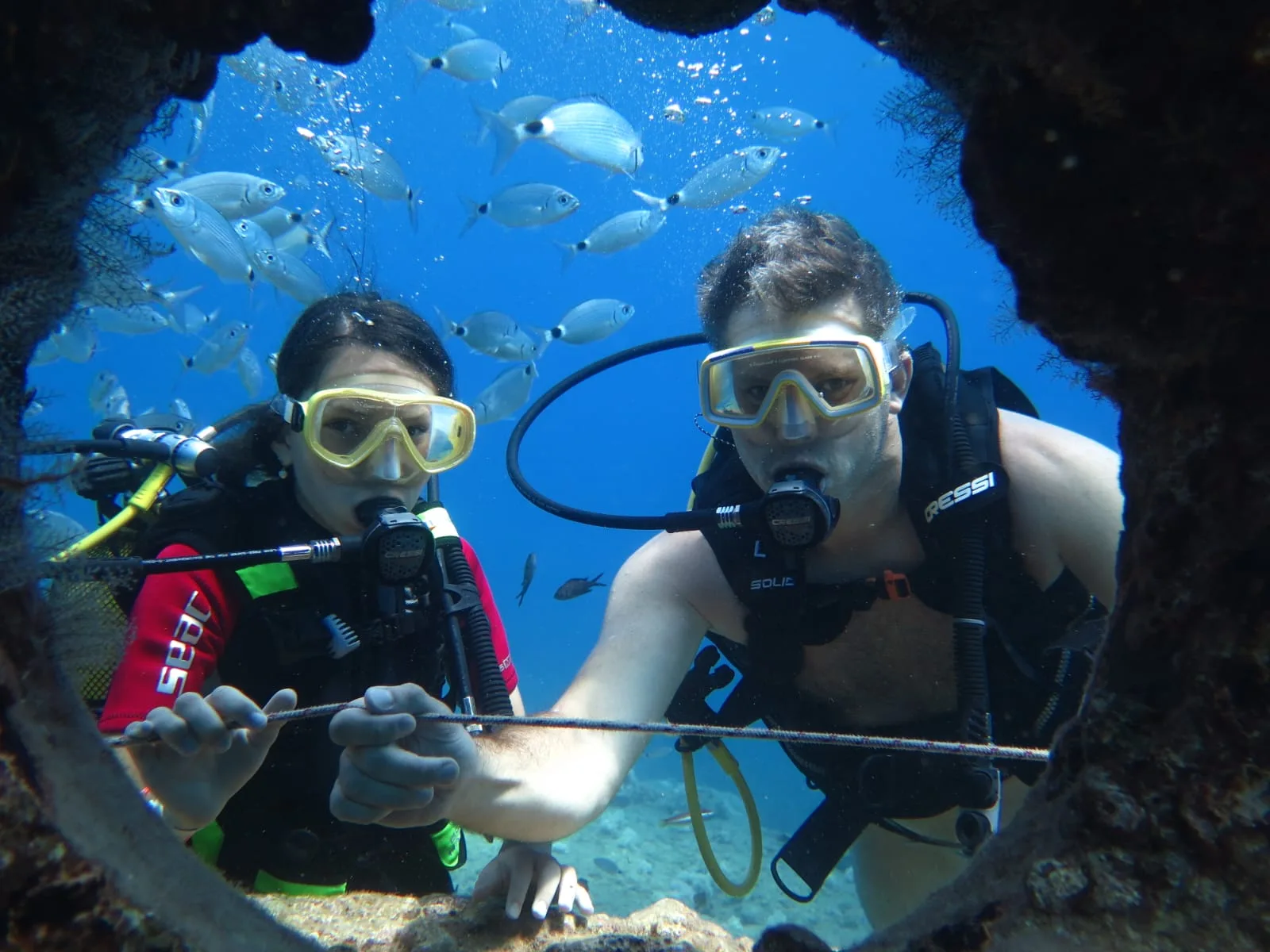
Our Side Underwater Museum trip is built around exactly this experience. For beginners the morning dive stays shallow, at 5–8 metres for 15 to 25 minutes, where sunlight is generous and colours stay warm — ideal for first-timers. After a fresh lunch on board, the afternoon dive goes a step deeper, down to about 13 metres — the beginner ceiling, and exactly the level the sculptures sit at. Certified divers dive the real profiles on the same boats instead: around 30 metres on standard certified dives, and down to 60 metres on the deep sites for suitably qualified divers. Hand-feeding fish under your instructor's guidance is part of the day, and groups are kept to three or four divers per instructor, so nobody is rushed past a single sculpture.
A dive built for first-timers and certified divers alike
The museum dive is our flagship precisely because it works for almost everyone:
- Complete beginners need no licence. You get a full safety briefing, all equipment — tank, regulator, wetsuit, mask and fins — and an instructor beside you throughout. If you can breathe, you can do this. Read more about discover scuba diving.
- Certified divers get a genuinely unusual site for their collection, plus logbook signing and stamping at the end of the day.
- Families: try-dives are possible from around age 10.
- Non-divers are welcome as boat visitors at a reduced rate — the boat day, the swimming and the lunch are theirs too.
The full-day trip runs about seven hours from Side and costs 45 euros, with two guided dives, free two-way hotel transfer, fresh lunch on board, and passenger and diving insurance all included. You can compare all trips on our prices page.
Good to know before you book
- Reservation is free online, and you pay on the day, in cash or by card. Cancellation is free up to 24 hours before.
- Diving is not possible when pregnant, or with severe asthma, heart or respiratory conditions — be honest with us and with yourself.
- Do not fly within 24 hours after diving; plan the trip accordingly.
- Message us anytime for current availability.
Stand in the gallery where fish are the visitors
Underwater museums answer a question sculpture has asked for centuries — what does time do to art? — by speeding time up and making it swim. If you want to see the answer in person, join the Underwater Museum trip, explore other dives from Side, or read our guide to the Mediterranean fish that now call these sculptures home.