The number, and where it comes from
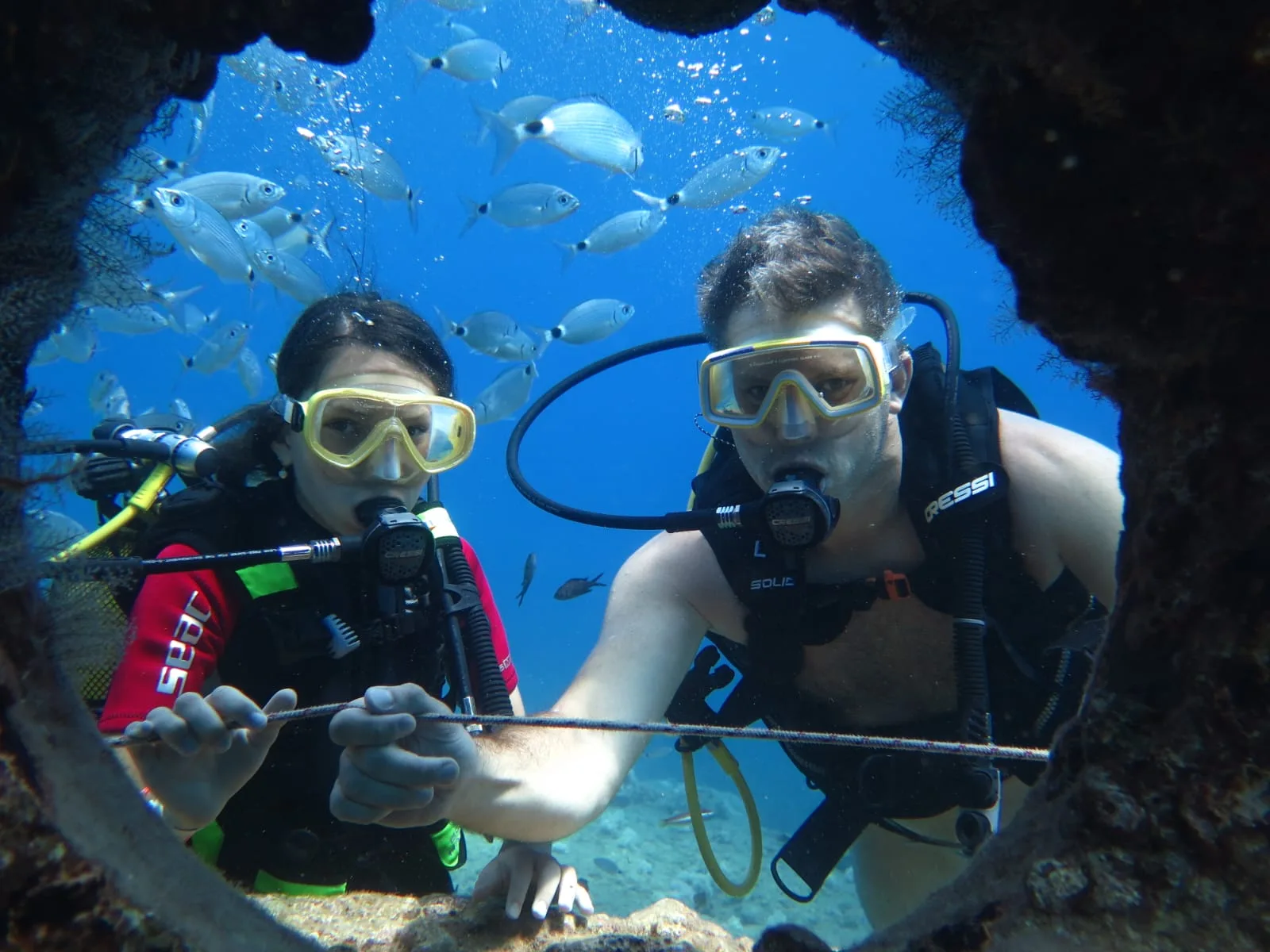
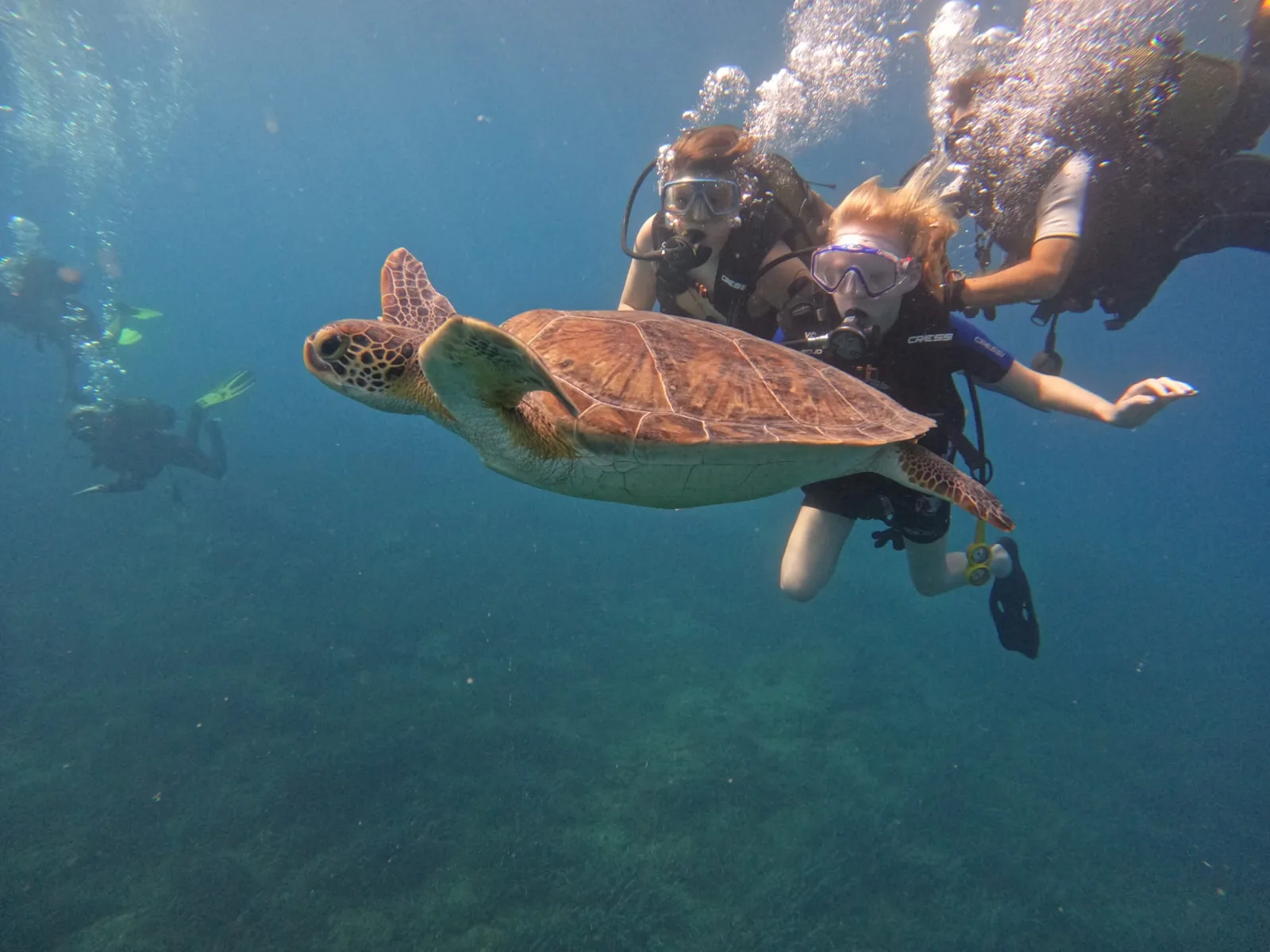
On the Side Underwater Museum day we put three to four divers with one instructor. That is not a marketing figure we round down — it is the group size that lets one person keep genuine eyes on everybody at 12 metres among the sculptures, where divers naturally spread out to look at different figures.
Small groups are the standard across all five of our trips, not a premium extra you pay for. The museum day is €45 for about seven hours; the Kumköy, Kemer and Alanya days are €43 and the Antalya day is €50, and the ratio does not get worse on the cheaper ones. That is deliberate. Cutting the ratio is the easiest way for a dive operation to make more money per boat, and it is the first thing we refuse to do.
Beginners and certified divers are split into different groups because their profiles differ — beginners at 5–8 metres on the first dive and about 13 metres maximum on the second, certified divers around 30 metres on standard dives. Splitting them is part of how the ratio stays honest: nobody is being watched by an instructor who is simultaneously leading a deep dive somewhere else.
Why this is the single most important number for a beginner
Almost everything that goes wrong on a first dive goes wrong in the first three minutes, and all of it is small: a mask flooding and stinging the eyes, an ear that will not equalise, a fin strap loose, breathing that has gone quick and shallow from nerves, or the classic — a diver who has drifted two metres up without realising and is now heading for the surface.
None of that is dangerous when someone is next to you. All of it can become dangerous when nobody is. The panic that divers fear is almost never caused by the sea; it is caused by a small problem that nobody fixed while it was still small. That is the whole argument for the ratio: an instructor with three or four people can be at your shoulder in a second and settle the thing before your heart rate ever climbs.
It is also why we would rather you asked us this question than asked about the boat or the lunch. If you are comparing dive operations for a first dive, ask every one of them for their ratio and get a number, not an adjective. If the honest answer is eight or ten divers to one guide, the guide will be doing crowd control instead of teaching. A related question worth reading is whether you need a licence for the museum dive.
What 'within arm's reach' means in practice
Literally what it says. On a discovery dive the instructor descends holding you or holding your BCD, and stays close enough through the dive to take hold of you without swimming to you. They control the descent rate so your ears keep up, they check your air, and they read your face — most beginners signal discomfort with their eyes long before they remember the hand signal for it.
You will have learned a handful of signals in the briefing: OK, not OK, up, down, my ears, out of air. You will not need more than that, and if you forget them all, pointing works. Any time you want to end the dive, you say so and the dive ends. There is no negotiation about it and no disappointed face — going up early is a normal thing that happens on plenty of trips.
For certified divers the arrangement changes: you dive in buddy pairs with the guide leading the group rather than holding your equipment, which is the autonomy you trained for. Logbooks are signed afterwards. If you would rather have the calmest possible first day — the shortest trip, closest to the Side and Kumköy hotel belt — the Kumköy diving day is six hours at €43 and is the gentlest introduction we run. Ask us anything else before you book through our contact page.